At first glance, Paris may seem like a uniform collection of ancient stone buildings. However, as you step into specific neighborhoods, a different vision emerges: a landscape that retains traditional weight but feels startlingly light, functional, and “new.” The secret to this enduring modernity lies in the feverish energy of an era once known as the Années Folles, or the Roaring Twenties.
One hundred years ago, in 1925, Paris hosted the Exposition Internationale des Arts Décoratifs et Industriels Modernes. The abbreviation of this very event gave birth to the term Art Deco, a design movement that would conquer the world. Now, in 2026, as we celebrate the centenary of this movement, the “exhilaration for the future” envisioned by those architects remains vividly alive across the city. This guide is designed to help first-time visitors and enthusiasts alike navigate Art Deco Paris with both ease and intellectual curiosity.
Preparation: Navigating 2026 Paris Like a Local
Before beginning your journey, here are the essentials for moving through Paris in 2026.
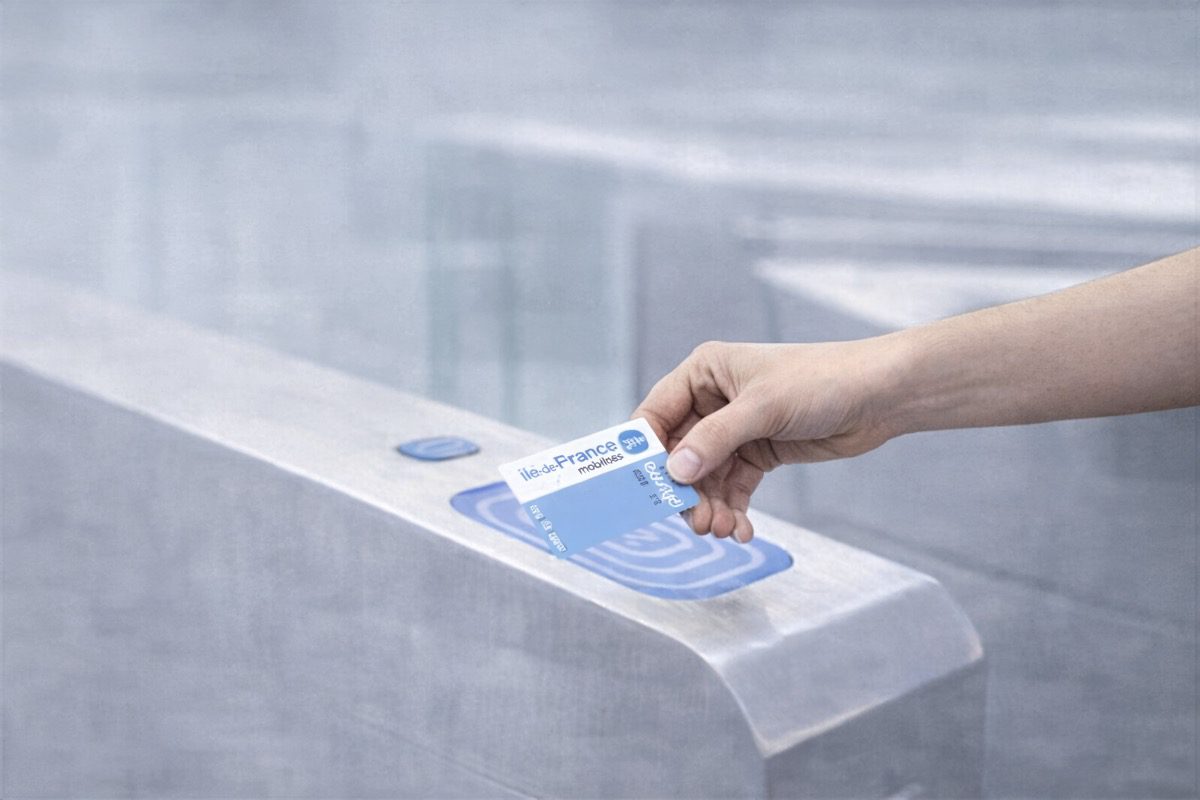
Navigo Easy: Paper tickets have been largely phased out. You can purchase an IC card at station windows and charge a one-day pass for EUR 12.30 for the smoothest experience.
The Citymapper App: This remains your strongest ally, providing precise guidance down to the specific metro exit numbers.
Smartphone Payments: Use the “Bonjour RATP” app on iPhone or Android to simply tap your phone at the gates.
The Key of Exit Numbers (Sortie): Parisian metro stations often have numerous exits, so always verify the “Sortie” number on the signage.
Practical Footwear: Paris is a city of cobblestones, and an Art Deco pilgrimage involves significant walking.
Section 1: The Eiffel Tower in a Frame | The Trocadéro Area
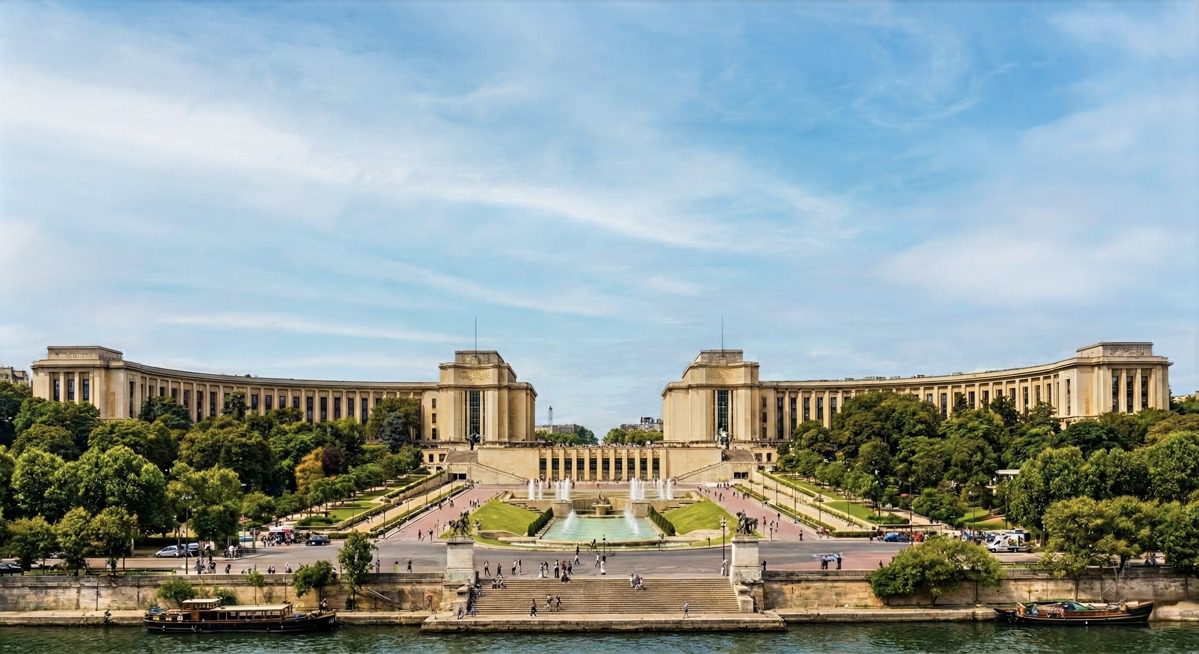
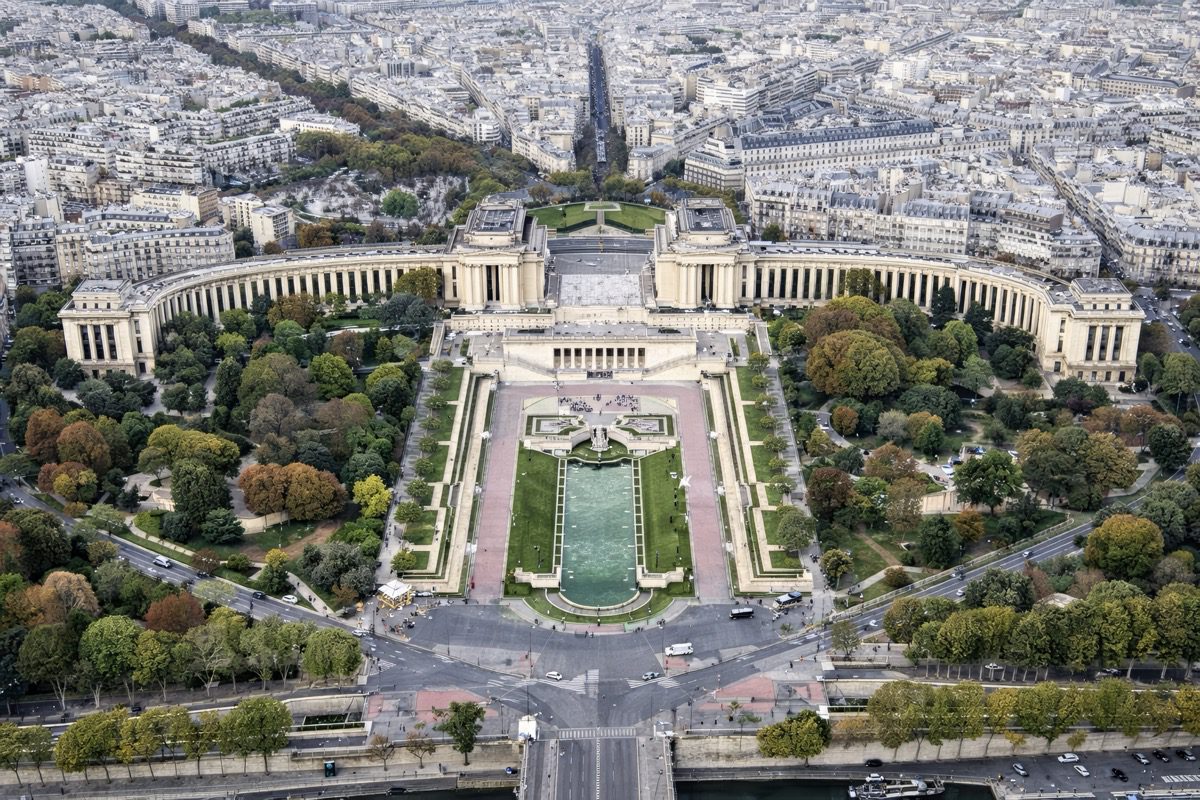
Your journey begins at the Palais de Chaillot, which offers perhaps the most dramatic vista in all of Paris.
Palais de Chaillot
This was the primary venue for the 1937 International Exposition and remains one of the city’s most iconic photography spots.
Access: Metro Lines 6 or 9, Trocadéro Station.
Address: 1 Place du Trocadéro et du 11 Novembre, 75116 Paris.
Exit: Sortie 1: Tour Eiffel / Palais de Chaillot.
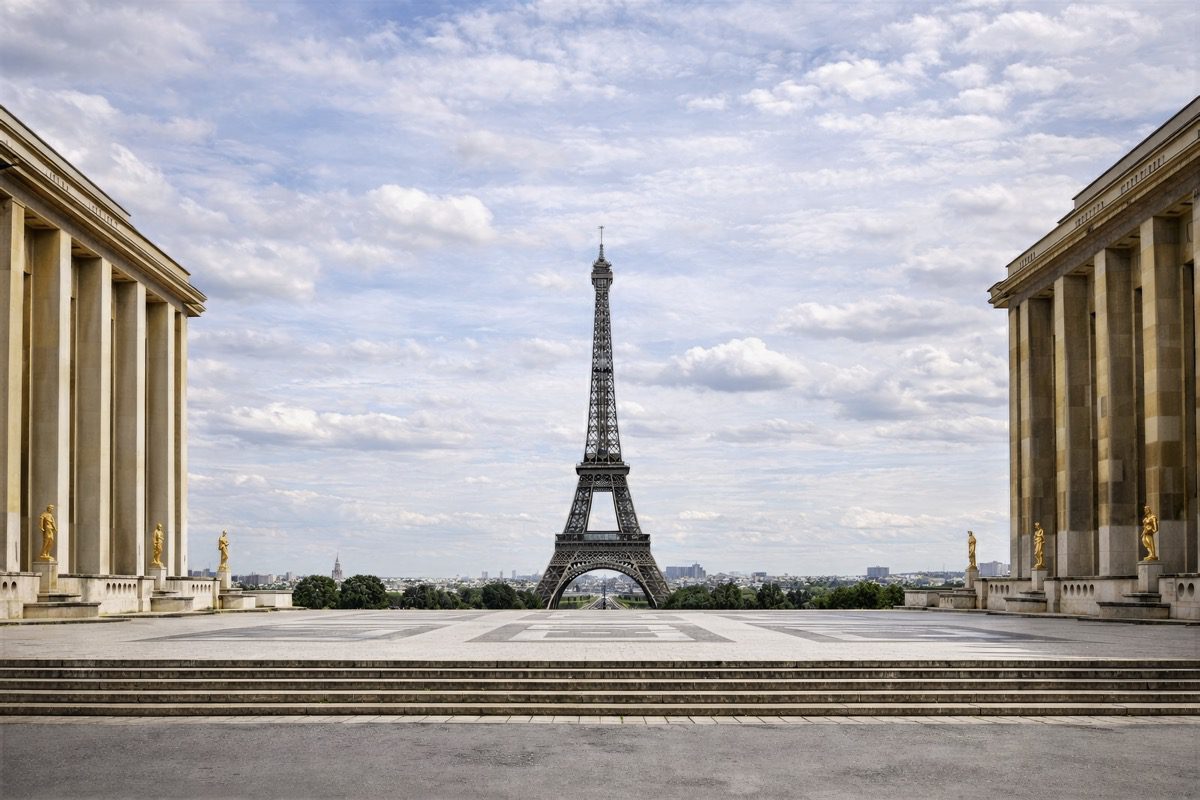
What to Look For: Upon emerging from the metro and heading toward the palace, you will find a massive terrace situated between two curving buildings. From here, the Eiffel Tower across the river appears perfectly framed. Architect Jacques Carlu chose not to block the view with a central structure; instead, he created a “void” that treats the Eiffel Tower like a masterpiece within a frame. Look for the golden words of poet Paul Valéry inscribed on the walls, which remind visitors that the meaning of the building depends entirely on the heart of the observer.
Nearby Attractions: Trocadéro Gardens and the Maritime Museum
Trocadéro Gardens: The gardens at the foot of the palace feature the Warsaw Fountain. Capturing the Eiffel Tower through the mist of these fountains is a quintessential Parisian experience.
Musée National de la Marine: Located within the palace, this museum was renovated in late 2023. It showcases French maritime history through a blend of modern digital exhibits and heavy Art Deco interiors.
Section 2: Holy Sites of Modern Art and the Avant-Garde | The Seine Riverbank
A short walk from Trocadéro along the Seine leads to the hubs of contemporary expression.
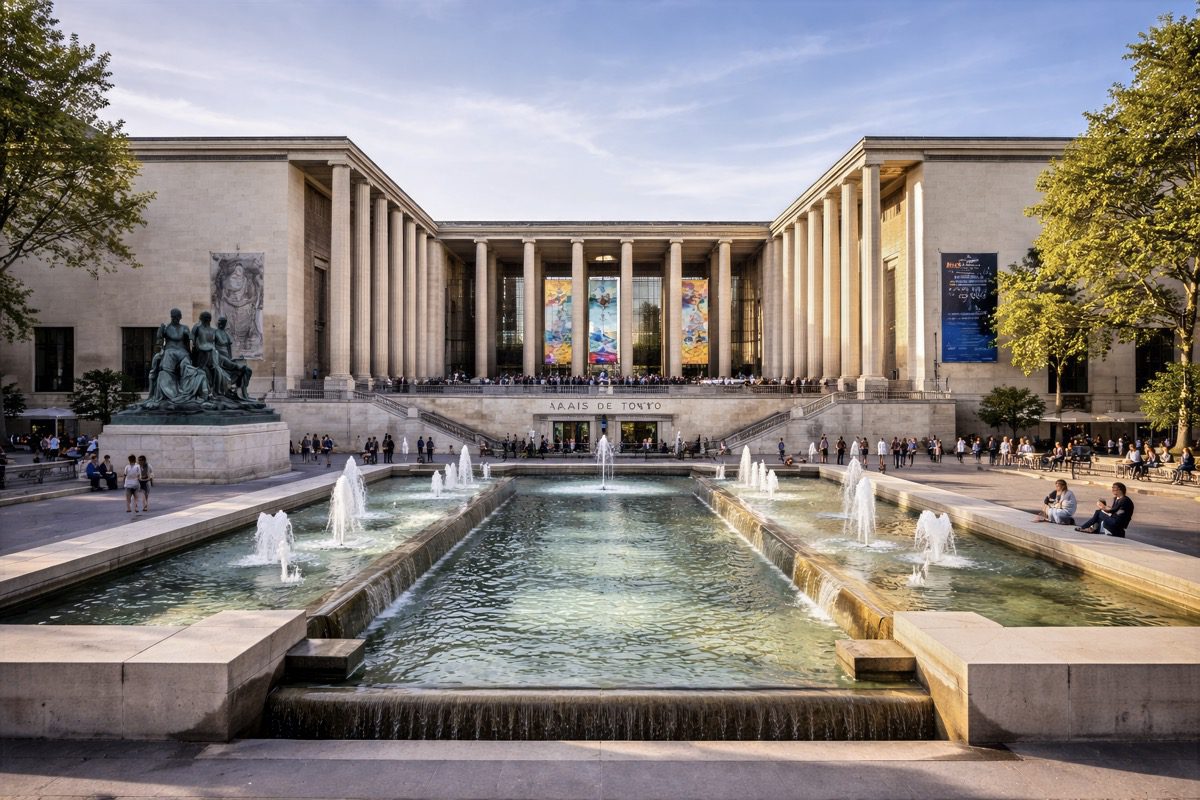
Palais de Tokyo
Access: Metro Line 9, Iéna or Alma-Marceau Station.
Address: 13 Avenue du Président Wilson, 75116 Paris.
Exit: Sortie 1: Avenue du Président Wilson (3 minutes from Iéna).
What to Look For: A legacy of the 1937 Expo, this is a masterpiece of “Late Art Deco” defined by its massive colonnades and marble textures. It is now a global center for contemporary art. The neighboring Musée d’Art Moderne de Paris houses Raoul Dufy’s La Fée Électricité, a monumental mural that stands as a landmark of the Art Deco era.
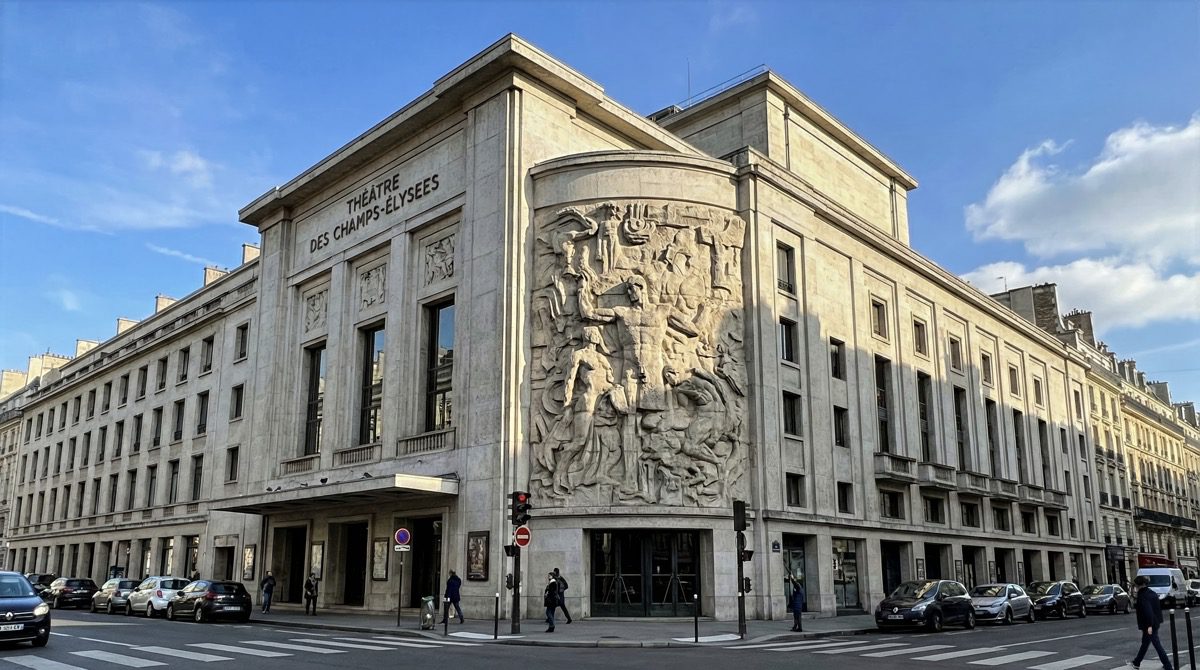
Théâtre des Champs-Élysées
Access: Metro Line 9, Alma-Marceau Station.
Address: 15 Avenue Montaigne, 75008 Paris.
Exit: Sortie 3: Avenue Montaigne.
What to Look For: Completed in 1913, this building was a pioneering masterpiece that used reinforced concrete to express a “beauty of ultimate simplicity.” The facade features reliefs by Antoine Bourdelle, demonstrating the “union of the arts” where sculpture fits perfectly into the architectural lines.
Nearby Attractions
The Flame of Liberty: A replica of the Statue of Liberty’s flame at the foot of the Pont de l’Alma, now famous as a memorial to Princess Diana.
Bateaux-Mouches: The boarding point for Seine cruises is located nearby, offering a river perspective of the city’s architecture.
Avenue Montaigne: This is the most elegant shopping street in Paris, home to the flagship stores of Dior and Chanel.
Section 3: The Laboratory of Masters | Deep Dive into the 16th Arrondissement
This section explores the quiet residential streets of the 16th district, which boasts the highest density of Art Deco architecture in the city.
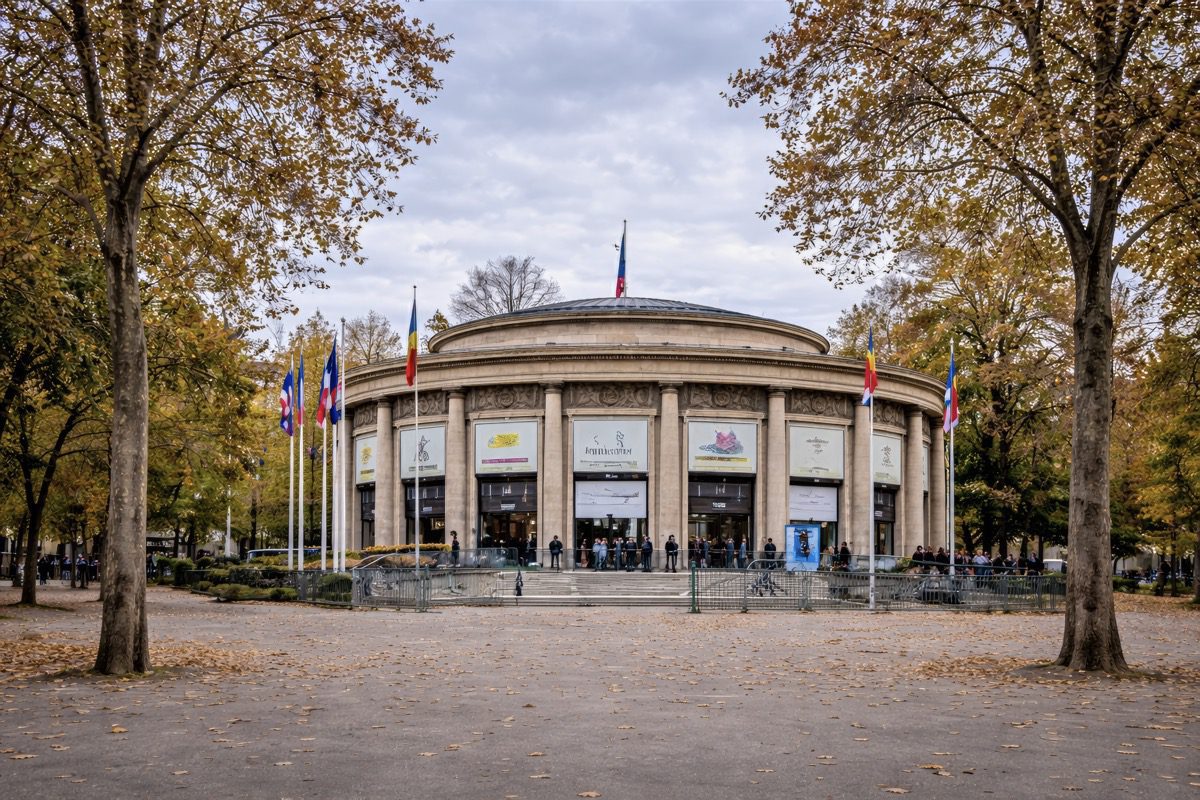
Palais d’Iéna
Access: Metro Line 9, Iéna Station.
Address: 9 Avenue d’Iéna, 75116 Paris.
What to Look For: A masterpiece by Auguste Perret, the “Father of Concrete.” He treated concrete with the same elegance as the stone columns of a Greek temple, achieving the pinnacle of functional beauty. Nearby, the Musée Guimet offers an exceptional collection of Asian Buddhist art.
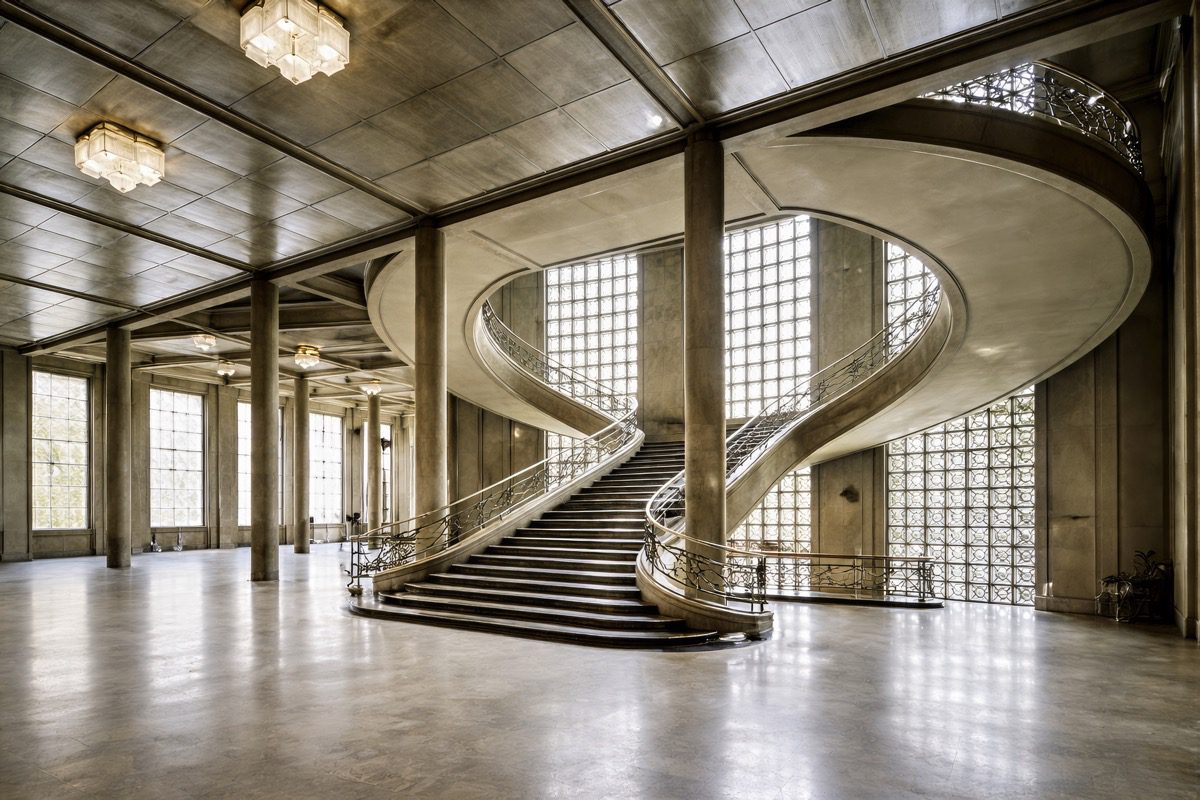
Rue Mallet-Stevens
Access: Metro Line 9, Jasmin Station.
Address: Rue Mallet-Stevens, 75016 Paris.
What to Look For: In 1927, architect Robert Mallet-Stevens designed every building on this street. With its cubist geometric forms and smooth walls devoid of ornamentation, the street serves as a private exhibition space documenting the evolution from Art Deco to Modernism.
Maison de Balzac
Access: Metro Line 6, Passy Station or Line 9, La Muette Station.
Address: 47 Rue Raynouard, 75016 Paris.
What to Look For: This was the secret hideout where the great writer Honoré de Balzac lived while hiding from creditors. The contrast between the rustic house and the surrounding linear Art Deco neighborhood is striking.
Pont de Bir-Hakeim
Access: Metro Line 6, Bir-Hakeim or Passy Station.
What to Look For: This two-tiered bridge is a marvel of industrial aesthetics. The rows of steel pillars create a rhythmic, geometric perspective that feels like an urban forest. It is famous as a filming location for Inception and provides an unobstructed panoramic view of the Eiffel Tower.
Section 4: The Citizens' Utopia | Public Pools and "Ship" Buildings
This route through the 15th and 18th districts showcases the lifestyle ideals of the “New Age.”
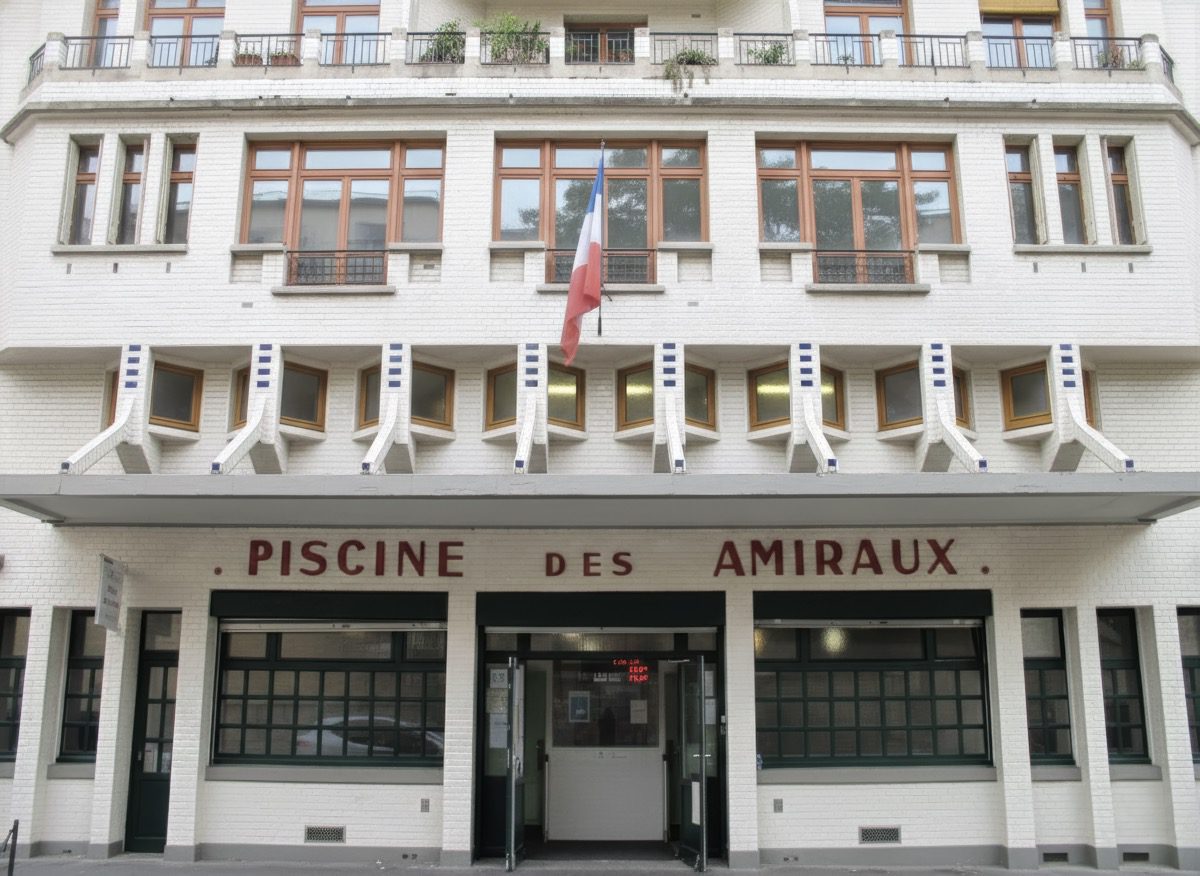
1. Piscine des Amiraux
Access: Metro Line 4, Simplon Station.
Address: 6 Rue Hermann-Lachapelle, 75018 Paris.
What to Look For: The interior features “cabin-style” changing rooms arranged in two orderly tiers, accented by geometric white tiles. The natural light from the skylights illuminates the “utopia of hygiene and health” that Art Deco designers pursued.
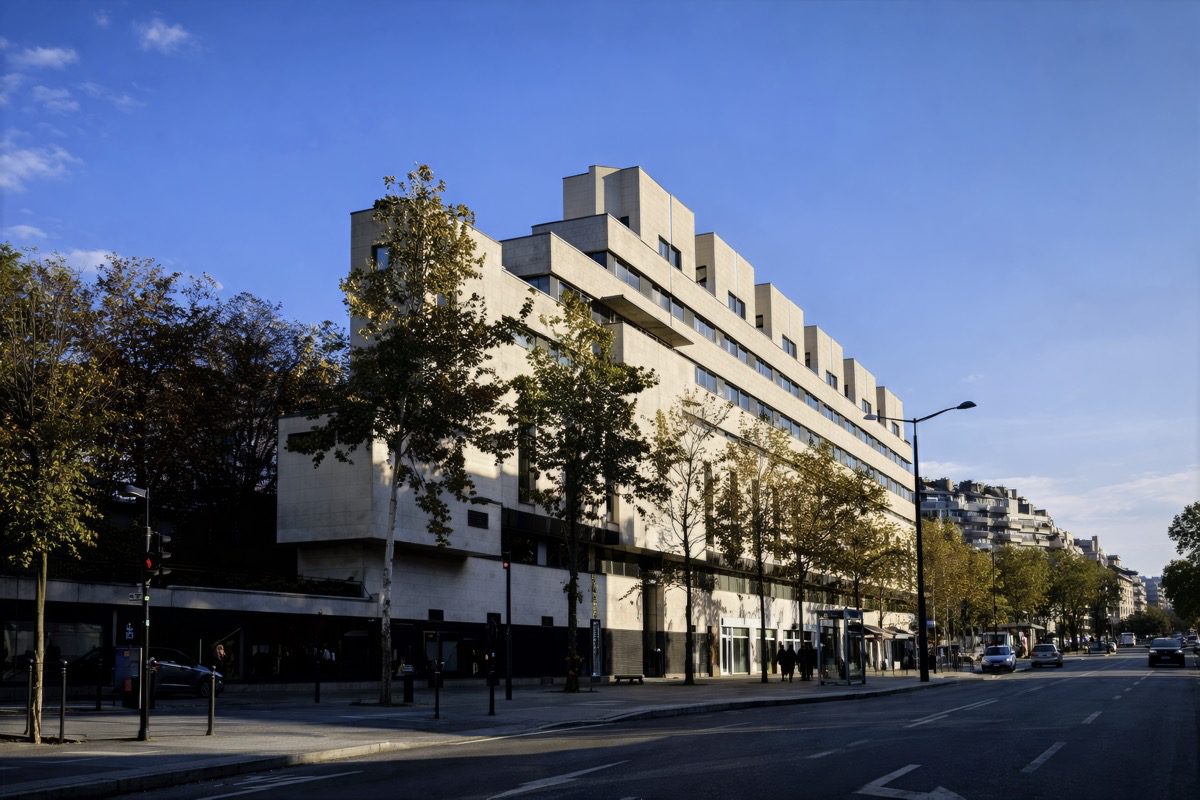
2. The “Paquebot” Building (The Ocean Liner)
Access: Metro Line 8, Balard Station.
Address: 3 Boulevard Victor, 75015 Paris.
What to Look For: Designed by Pierre Patout in 1934, the building’s sharp corner resembles the bow of a luxury liner. The long horizontal lines of the windows symbolize the romance of sea travel that captivated society at the time.
Section 5: The Pinnacle of Ornamentation | Palais de la Porte Dorée
The climax of your journey is located at the eastern edge of Paris.
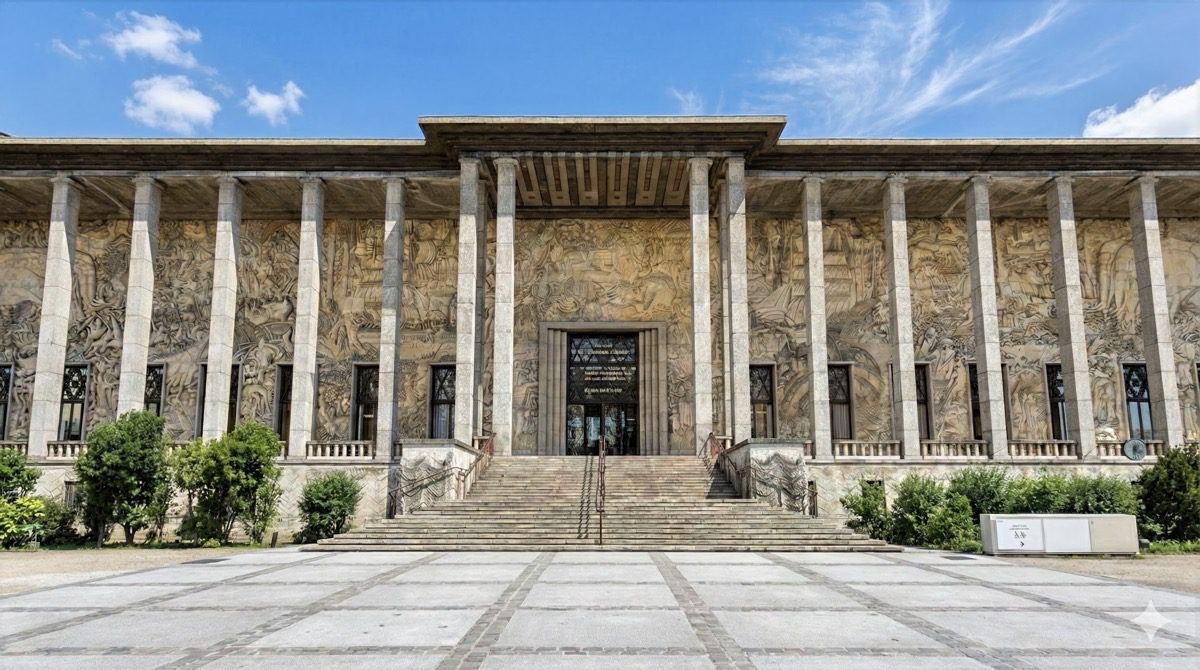
Palais de la Porte Dorée
Access: Metro Line 8, Porte Dorée Station.
Address: 293 Avenue Daumesnil, 75012 Paris.
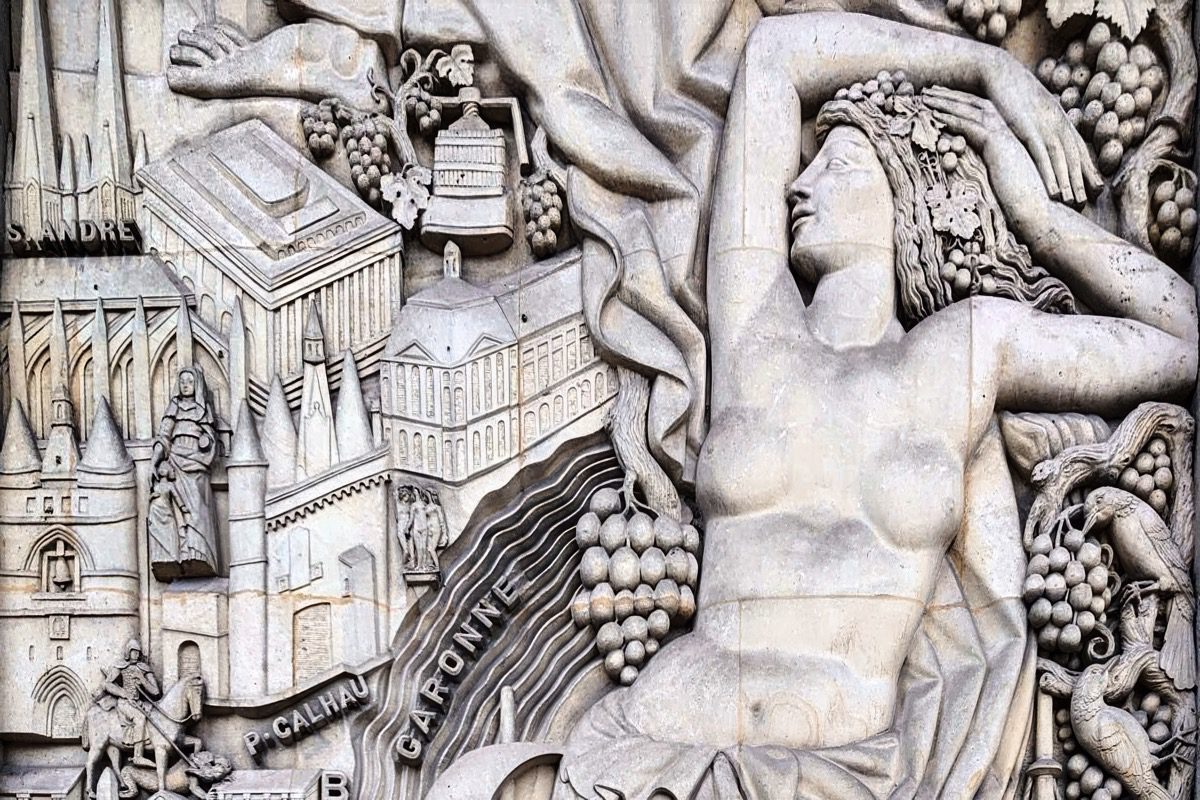
What to Look For: A legacy of the 1931 Colonial Exposition, its exterior features a massive 1,200-square-meter relief. This is the ultimate achievement of Art Deco decoration, depicting exotic flora and fauna with a power that remains overwhelming today.
Section 6: Iconic Cafés and Restaurants to Enrich Your Walk
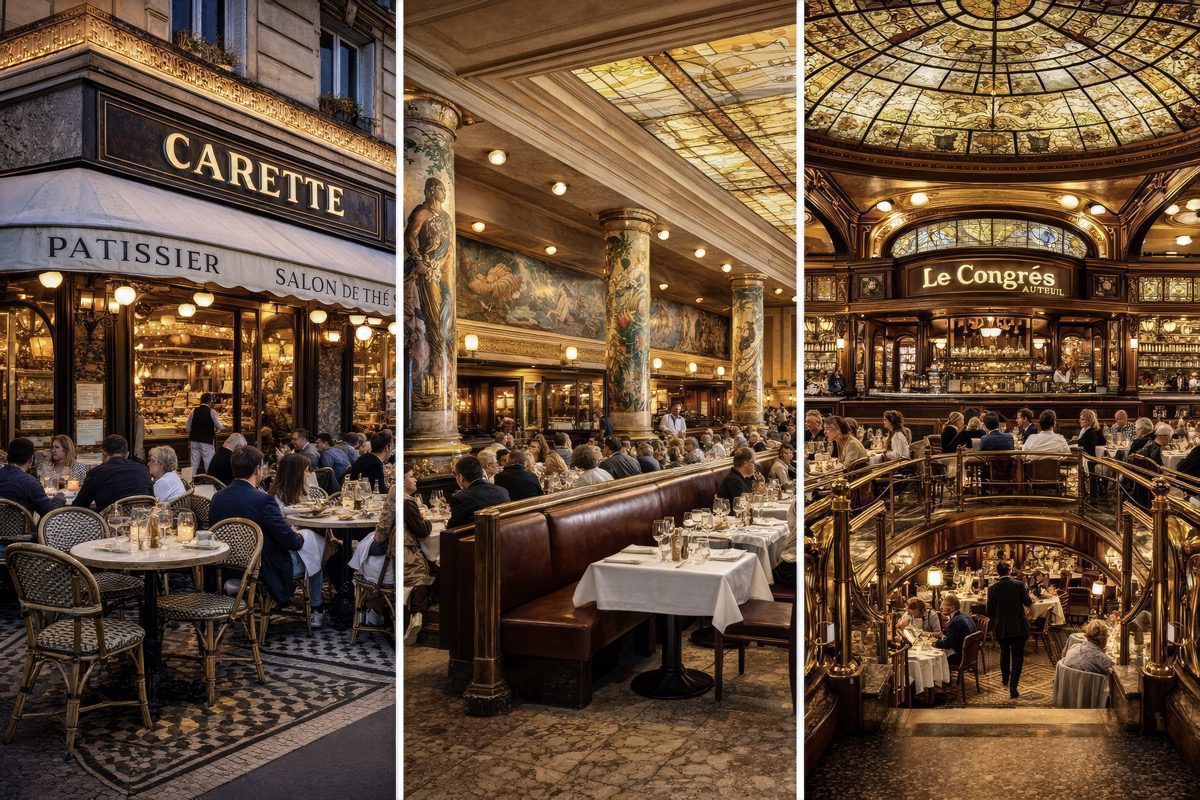
To experience the spirit of Art Deco through all five senses, we have curated three legendary establishments where the original interiors have been miraculously preserved. Stepping into these venues feels like a journey back in time to the elegance of 1920s Paris.
Carette
Founded in 1927, this historic pâtisserie and tea salon occupies a prime location facing Place du Trocadéro with a magnificent view of the Eiffel Tower. It remains an enduring symbol of Parisian elegance, loved by generations of locals.
Address: 4 Place du Trocadéro et du 11 Novembre, 75116 Paris
Access: A 1-minute walk from Trocadéro Station (Metro Lines 6 and 9).
Art Deco Highlights: From the geometric floor tiles to the gold-leaf mirrors adorning the walls, every detail reflects the glamour of the 1920s. Even the signage continues to use the distinctive typography from the year of its founding, preserving the atmosphere of the era’s salon culture.
Recommendation: The remarkably thick and creamy chocolat chaud (hot chocolate) paired with jewel-like macarons. While the terrace is popular, architecture enthusiasts will prefer the interior to fully appreciate the décor.
Estimated Budget: EUR 20 to EUR 40
Hours: Monday to Sunday, 7:30 AM to 11:30 PM (Open daily).
Le Congrès Auteuil
Located at the southern edge of the 16th Arrondissement, this high-end brasserie captures the sophisticated social atmosphere of the 1930s. It is a hidden gem situated in a quiet residential area, frequently visited by local celebrities.
Address: 144 Boulevard Exelmans, 75016 Paris
Access: A 1-minute walk from Porte d’Auteuil Station (Metro Line 10).
Art Deco Highlights: You will find a soaring stained-glass ceiling and burnished brass railings throughout the space. The porthole windows and streamlined wall designs evoke the aesthetics of luxury ocean liners. Visitors often notice the striking design parallels between this interior and Pierre Patout’s “Paquebot” building nearby.
Recommendation: The Plateau de fruits de mer (seafood platter), which features a fresh mountain of oysters and shrimp. It offers a cinematic dining experience served in the traditional Parisian style.
Estimated Budget: EUR 40 to EUR 80
Hours: Monday to Sunday, 7:30 AM to Midnight (Open daily).
La Coupole
The undisputed icon of the Montparnasse district, La Coupole has reigned as the “Temple of Art Deco” since its opening in 1927. It has stood as a witness to history, serving as a nightly gathering place for legendary artists such as Ernest Hemingway, Pablo Picasso, and Marc Chagall.
Address: 102 Boulevard du Montparnasse, 75014 Paris
Access: A 1-minute walk from Vavin Station (Metro Line 4).
Art Deco Highlights: The vast hall is supported by 33 monumental pillars, each featuring frescoes painted by the artists of that era. Geometric mosaic floors and spherical lighting made of opaline glass bathe the space in a graceful, diffused glow.
Recommendation: The Indian-style lamb curry, which has been served using the same recipe since 1927. Alternatively, visiting during breakfast hours allows you to enjoy a café au lait in the midst of a historic, tranquil atmosphere.
Estimated Budget: EUR 40 to EUR 90
Hours: Monday to Sunday, 8:00 AM to Midnight (Open daily).
Please note that operating hours are subject to change depending on the season or holiday periods. It is advisable to verify current hours before your visit to ensure a seamless experience.
Advice for 2026:
Many popular spots like Carette now use digital waiting lists. It is highly recommended to check for reservations via Google Maps or arrive early in the morning before visiting the Palais de Chaillot.
2026 Special Events
“Paris 1925: Art Deco and its Architects”: At the Cité de l’Architecture et du Patrimoine until March 29, 2026. This exhibition unveils original blueprints of the 15,000 pavilions from the 1925 Expo.
“1925-2025: 100 Years of Art Deco”: At the Musée des Arts Décoratifs until April 26, 2026. A multidisciplinary look at the movement’s influence on jewelry and fashion.
Closing Reflection: To Us, 100 Years Later
Art Deco teaches us a simple truth: even as technology advances, humanity consistently requires “beauty.” The quest for a “hygienic utopia” from a century ago resonates deeply with our modern pursuit of wellness and functional design. The geometric streets of Paris do not merely invite us to indulge in nostalgia; they represent a powerful will to construct a future that is more beautiful and more functional.
About the imagery
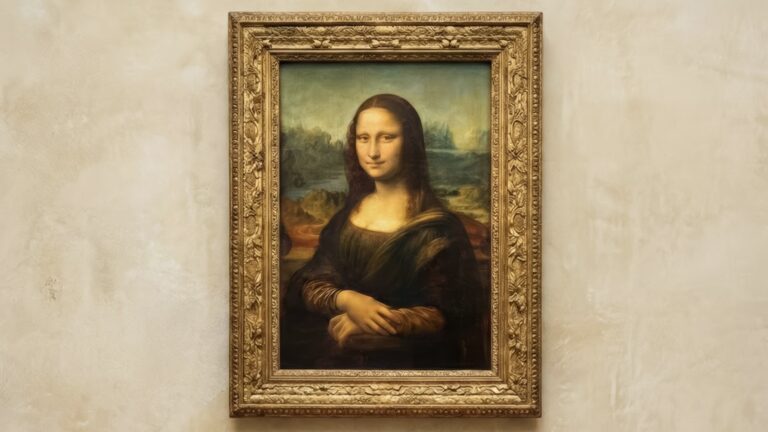
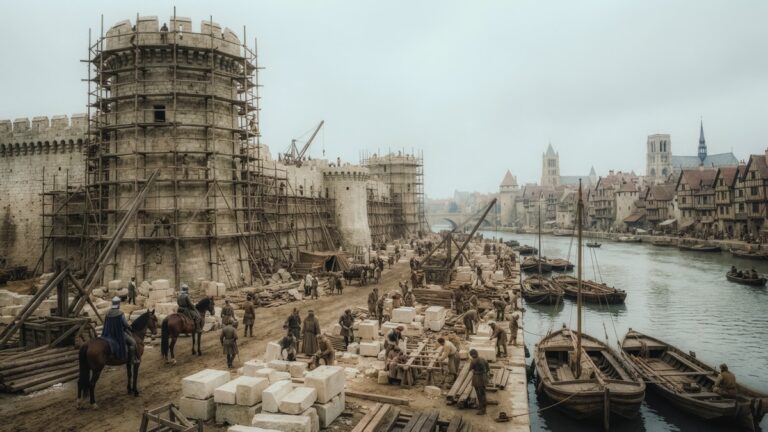
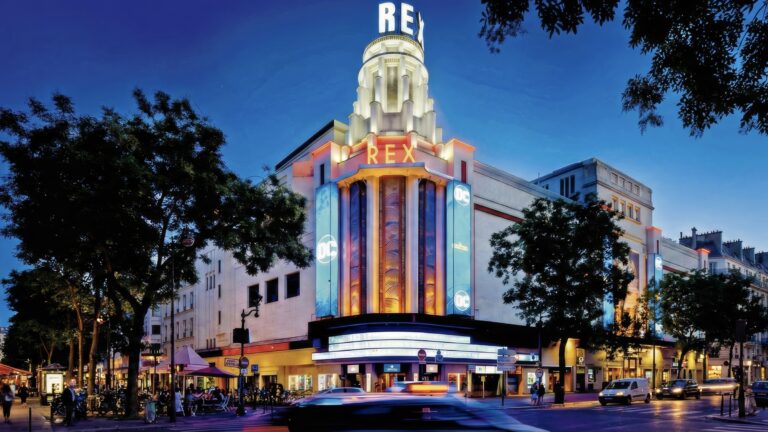
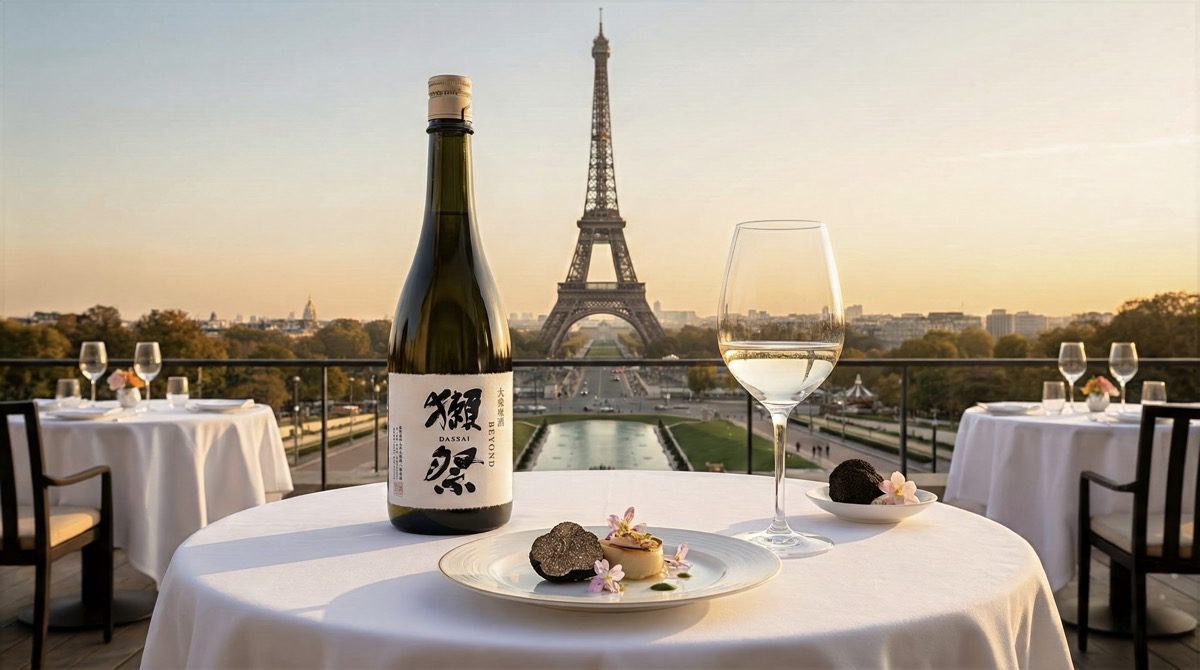
This hybrid composition is used in full compliance with copyright laws. It brings together original photography and images generated by artificial intelligence as well as public domain content such as Wikimedia Commons.