The Alchemy of Motion: Bridging Art Deco Heritage and Future Travel
In the quiet, hallowed halls of the Musée des Arts Décoratifs, tucked within the western wing of the Palais du Louvre, time is currently behaving like a folded map. To walk through the exhibition “1925–2025: A Century of Art Deco” is to witness a conversation between two eras that, despite being separated by a hundred years, share a singular obsession: how to marry the raw power of industrial technology with the delicate grace of high art.
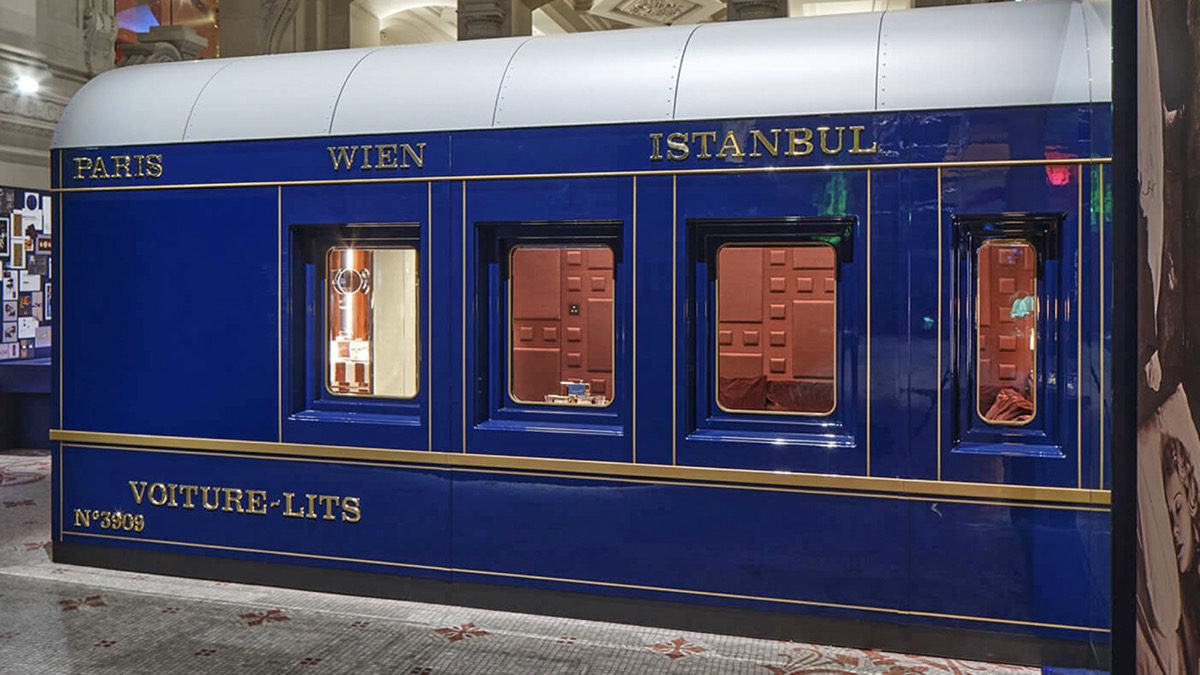
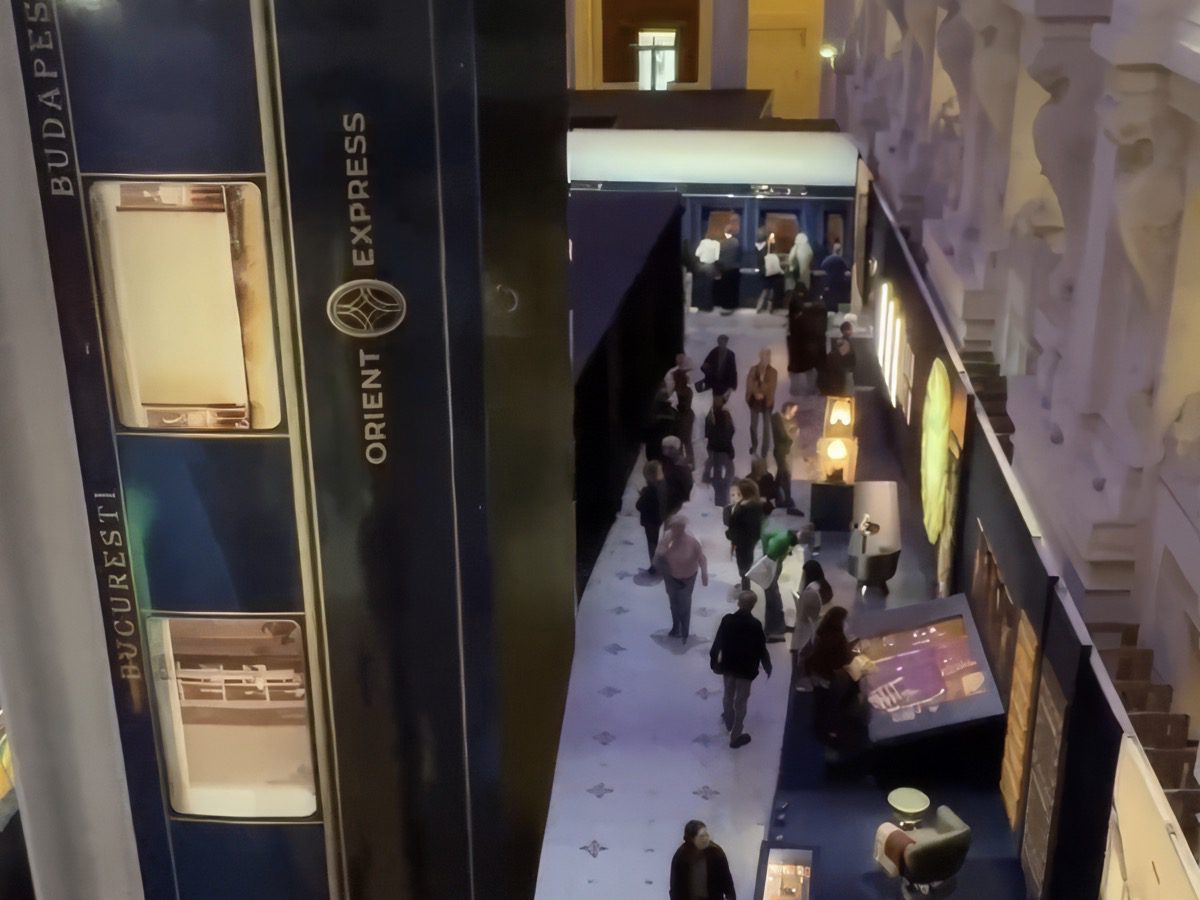
At the center of this dialogue is a ghost made manifest. Not a spectral presence, but a physical one—the gleaming, midnight-blue silhouette of the New Orient Express. Scheduled to return to the rails in 2027, the train’s reimagined carriages are currently on display in model form, standing in conversation with the legendary 1929 “Étoile du Nord” car. It is a striking juxtaposition that reveals a profound truth about 2026: we are no longer interested in mere nostalgia; we are seeking a “technological atavism”—the comforts of the past, powered by the ethics and intelligence of the future.
The 1925 Spirit: When Industry Met Elegance
To understand the weight of this exhibition, one must look back to the 1925 International Exhibition of Modern Decorative and Industrial Arts in Paris. This was the moment Art Deco was christened—a style characterized by geometric precision, lavish materials like ebony and brass, and a rejection of the flowery excesses of Art Nouveau.
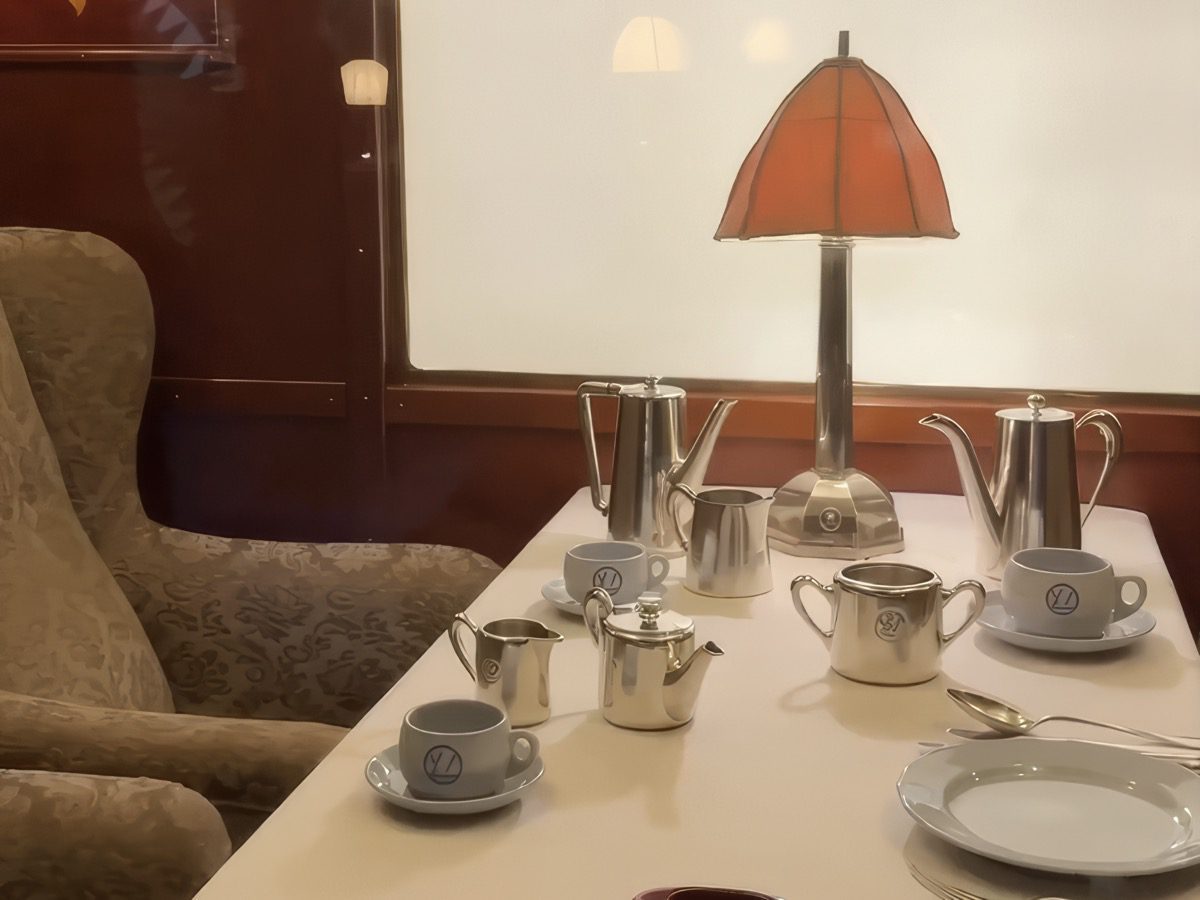
Back then, the Orient Express was the ultimate vessel for this movement. It wasn’t just a train; it was a mobile embassy of European craftsmanship. The current exhibition painstakingly curates nearly 1,200 artifacts—from Lalique glass panels to lacquered furniture by Eileen Gray—demonstrating how the railway carriage became the ultimate laboratory for modern living.
Designing Silence: The High-Tech Renaissance
The 2026 exhibition highlights how the upcoming 2027 revival, led by French architect and “space-sculptor” Maxime d’Angeac, is pushing the boundaries of what a “train” can be. D’Angeac has not simply copied the past; he has distilled its essence using 21st-century tools.
What makes the new Orient Express a marvel of modern engineering is the invisible layer of technology woven into its Art Deco fabric. The exhibition reveals several key technical advancements:
AI-Driven Spatial Optimization: Designers used generative AI to maximize the interior volume of the narrow-gauge carriages, ensuring that the luxurious suites feel expansive despite the physical constraints of the rails.
The Architecture of Silence: The train utilizes advanced vibration-damping structures and acoustic-absorbent materials typically reserved for aerospace engineering, ensuring the interior remains a sanctuary of quiet even at high speeds.
Dynamic Lighting Environments: Every suite is equipped with an AI-controlled LED system that adjusts the color temperature and intensity based on the time of day and the train’s geographical location, mitigating jet lag and enhancing the passenger’s circadian rhythm.
Sustainability as the New Luxury
In 2026, opulence without responsibility is increasingly seen as gauche. The exhibition makes a compelling case for the “Sustainable Orient Express.” The new fleet incorporates low-carbon steel and recycled aluminum for its structural elements.
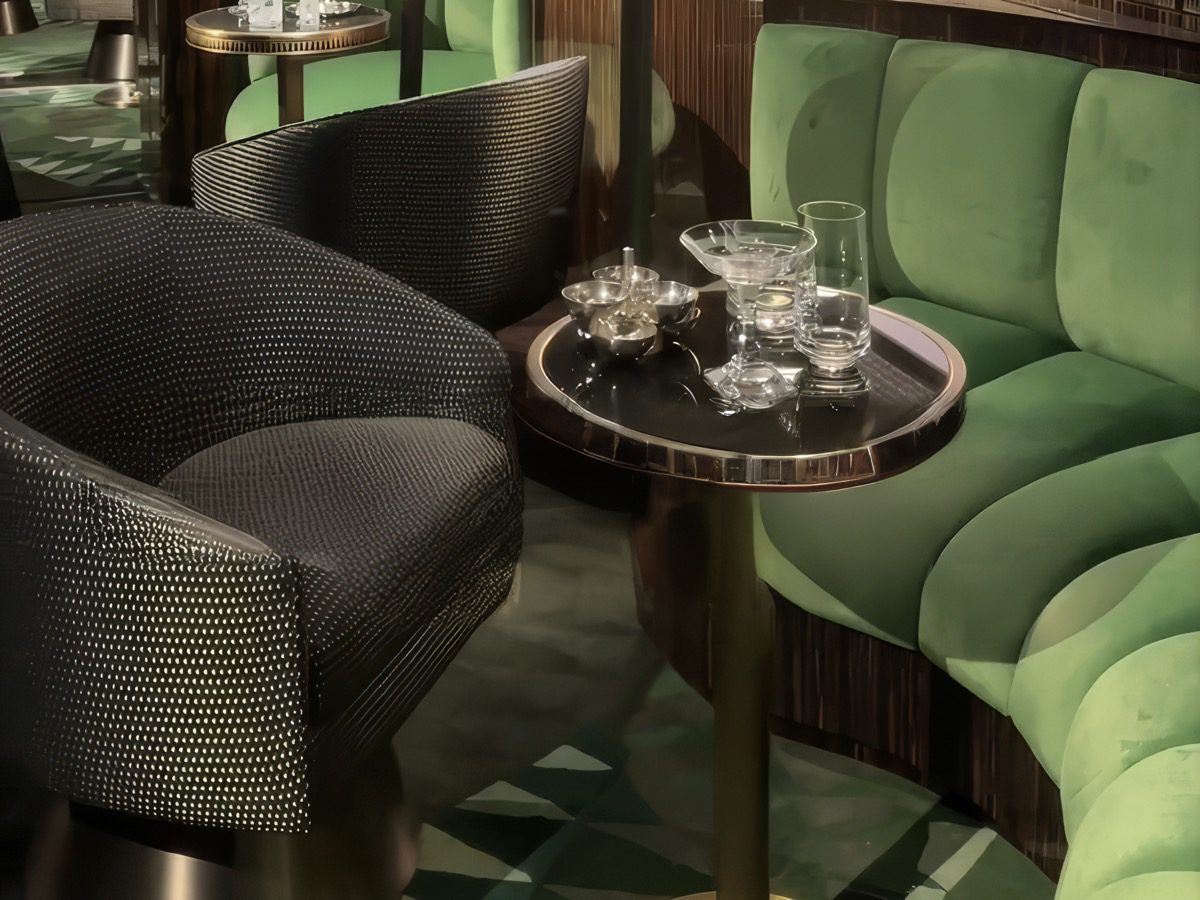
The interiors, while appearing as if they belong in a 1920s salon, are crafted from FSC-certified French timber and textiles dyed with non-toxic, organic pigments. Perhaps most impressively, the train’s climate control and power management are governed by an integrated energy-monitoring AI, reducing its carbon footprint to levels compliant with the European Union’s most stringent 2030 sustainability targets.
“Art Deco was never just a style; it was a philosophy of improving the quality of life through beauty and function,” says Anne Monier Vanryb, the museum’s curator. “In this exhibition, we see that the future of travel isn’t about getting from A to B faster—it’s about the depth of the experience during the transit.”
A Journey Through the Senses
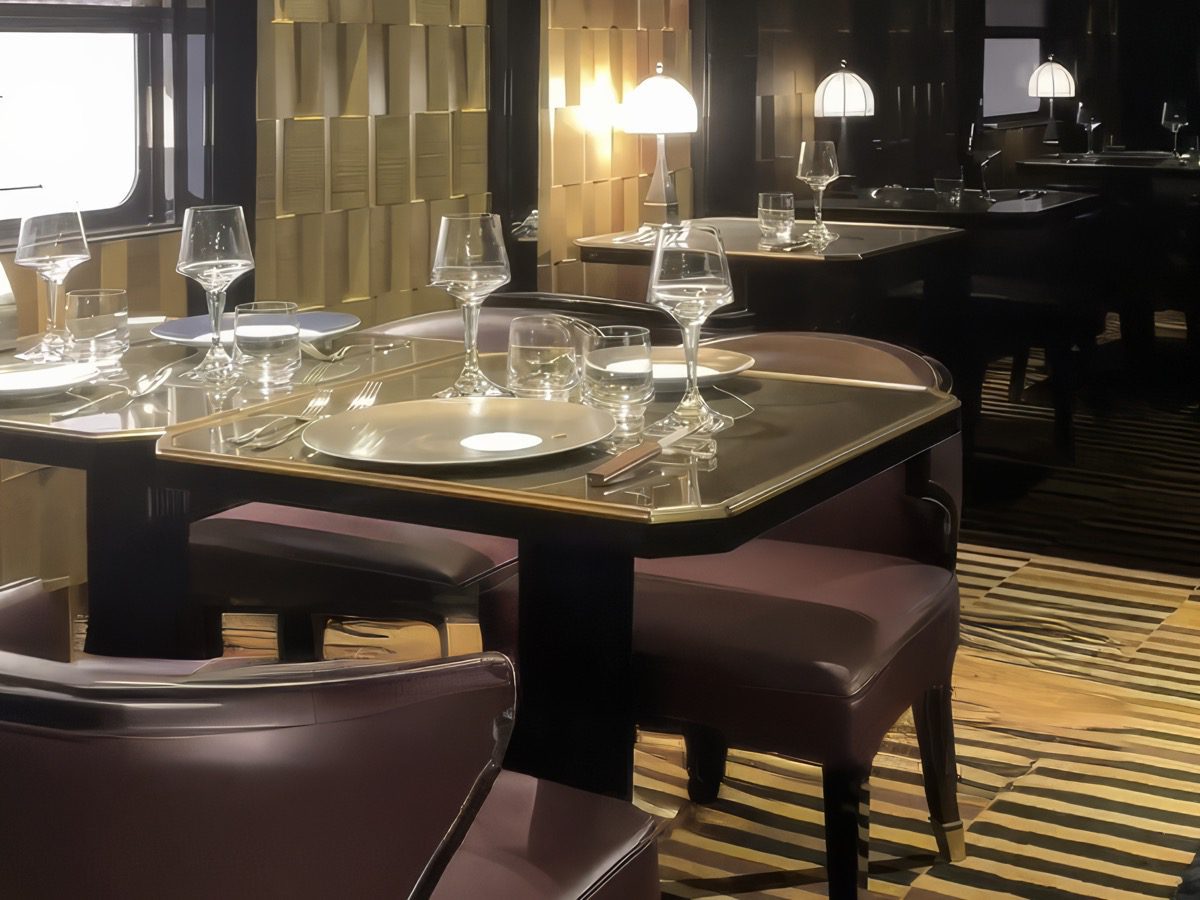
Visitors to the museum can step into a full-scale recreation of the “Salon de l’Ambassade de France,” a highlight of the 1925 Expo. However, the true showstopper is the 3D walkthrough of the new Dining Car. Finished in deep navy blue and punctuated by mirror-polished brass, the space uses “trompe-l’œil” digital windows that can occasionally display historical landscapes or technical data about the journey, blending the physical and the virtual.
The exhibition successfully argues that the Orient Express remains a symbol of connection. In an era where digital fatigue is rampant, the return of slow, curated, and beautiful travel represents a collective yearning for “tactile” reality.
Plan Your Visit
The exhibition is a must-see for anyone interested in the intersection of history, design, and the future of mobility.
Exhibition: “1925–2025: A Century of Art Deco”
Location: Musée des Arts Décoratifs, 107 Rue de Rivoli, 75001 Paris
Dates: Running through April 26, 2026
Admission: €15 for adults; €10 for concessions.
Hours: Tuesday–Sunday, 11:00 AM to 6:00 PM (Late night Thursday until 9:00 PM)
Editorial Disclosure & Visual Credits
Sources and Editorial Standards This article is a curated synthesis of reporting and analysis, drawing upon primary coverage from leading French dailies—including Le Monde, Le Figaro, and Le Parisien—as well as specialized technical insights from publications such as 01Net and Usine Nouvelle. Our editorial mission is to provide comprehensive context and structural depth, transforming fragmented news reports into a cohesive narrative that satisfies both intellectual curiosity and the need for factual accuracy as of January 2026.
Visual Documentation and Copyright The imagery presented in this post consists of original photography captured on-site by the author. These visuals have been meticulously refined using advanced AI-assisted editing tools to enhance clarity and aesthetic quality while maintaining the integrity of the subject matter. All visual content is produced in strict accordance with international copyright laws and is the exclusive property of the author, ensuring a unique and rights-compliant experience for our readers.