The Abyssal Archive: Crossing the Threshold of a Biological Library
Underwater exploration is no longer just a scientific feat; it has become the vanguard of global innovation. As of January 2026, as autonomous swarms of drones increasingly populate our oceans, the biological secrets of abyssal creatures are offering unprecedented perspectives in both heavy industry and healthcare.
We inhabit a planet where over 70% of the surface is covered by water, yet we still possess more detailed topographical maps of Mars than of our own seabed. Beyond a depth of a few thousand meters lies a realm of “hellish” conditions: crushing hydrostatic pressure, polar temperatures, and absolute darkness. However, it is precisely within this extreme environment that life has deployed its most brilliant survival strategies.
As renowned oceanographer Jozée Sarrazin (Ifremer) emphasized in her seminal work Atlas des Abysses, we have accurately mapped less than 1% of the seafloor. With estimates in 2026 suggesting nearly one million marine species remain undiscovered, the abyss is far from a desert. It is a biological library where humanity has only just begun to browse the first few pages.
Molecular Engineering Under Crushing Pressure
To survive at 6,000 meters or deeper—where the pressure exceeds 600 times that of the surface—abyssal organisms have fundamentally reinvented their biological architecture. Surface species rely on rigid skeletal frames, but deep-sea denizens have largely transitioned to flexible, cartilaginous structures. This is not a structural weakness; it is a radical adaptation. Rather than resisting the pressure, they assimilate it.
At the cellular level, the innovation is even more striking. Abyssal cell membranes are exceptionally rich in polyunsaturated fatty acids, maintaining perfect fluidity despite the cold. Without this, membranes would literally crystallize and shatter. Furthermore, these organisms utilize “chemical chaperones” like Trimethylamine N-oxide (TMAO). This molecule stabilizes proteins against the distorting effects of high pressure, preventing the “unfolding” that would prove fatal to surface-dwelling proteins. In 2026, researchers are studying TMAO to develop treatments for protein-misfolding diseases such as Alzheimer’s and Parkinson’s.
The Tardigrade: The Microscopic Master of Resilience
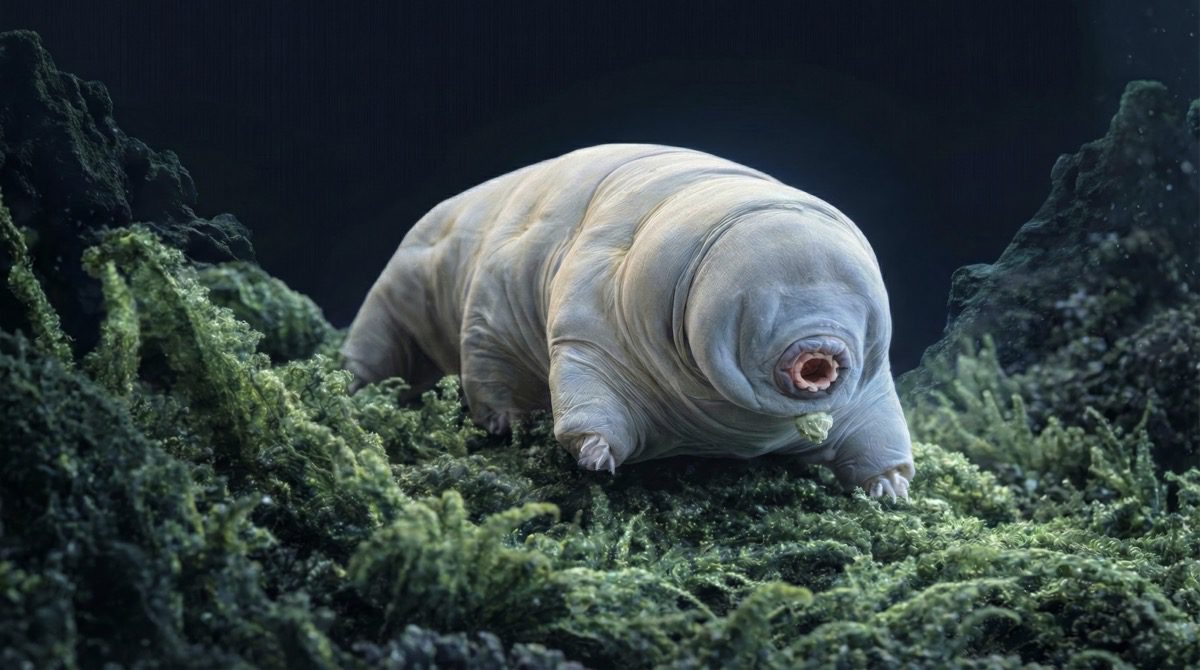
If one creature embodies the concept of “unbreakable,” it is the tardigrade. This 0.1 mm micro-animal can enter a state known as cryptobiosis. Essentially, it halts its metabolism and transforms into a biological glass bead called a “tun.” In this state, it withstands temperatures ranging from -272°C to +150°C, the vacuum of space, and lethal doses of radiation.
The secret lies in its TDPs (Tardigrade-Disordered Proteins). These proteins vitrify—turn to glass—the interior of the cell without forming sharp ice crystals that would puncture the membrane. In 2026, biomedical startups are directly applying these TDP principles to revolutionize organ preservation, potentially extending the “shelf-life” of transplant organs from hours to weeks, and protecting human tissue during intensive radiotherapy.
Biomimicry: From Snailfish to "Soft Robotics"
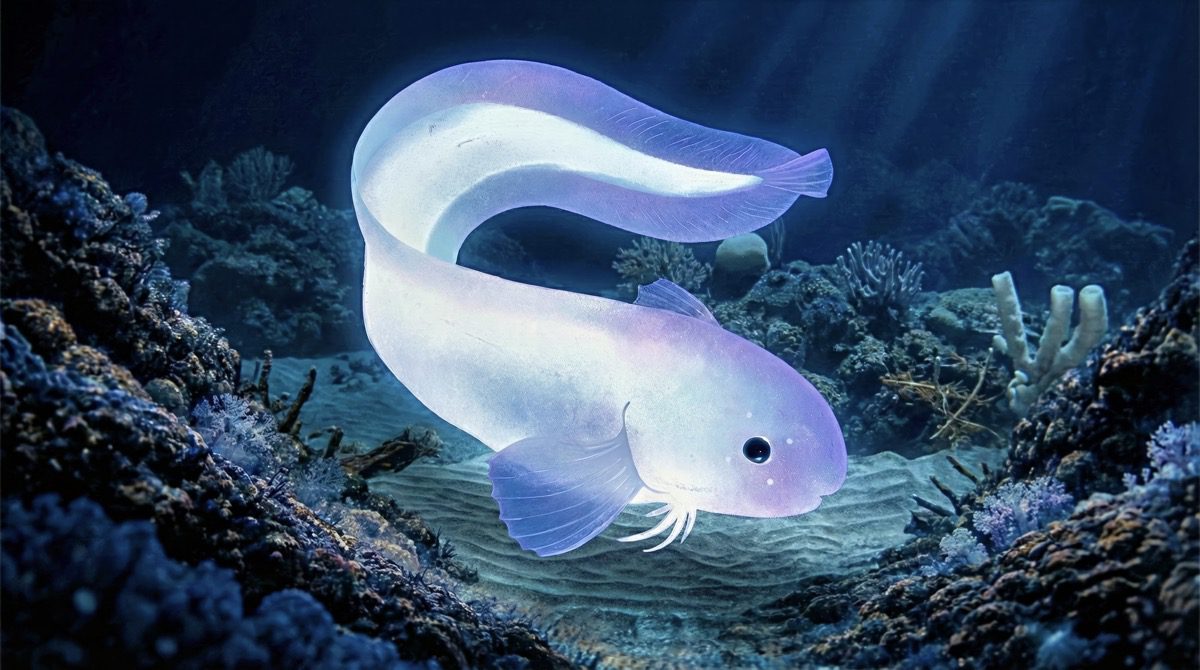
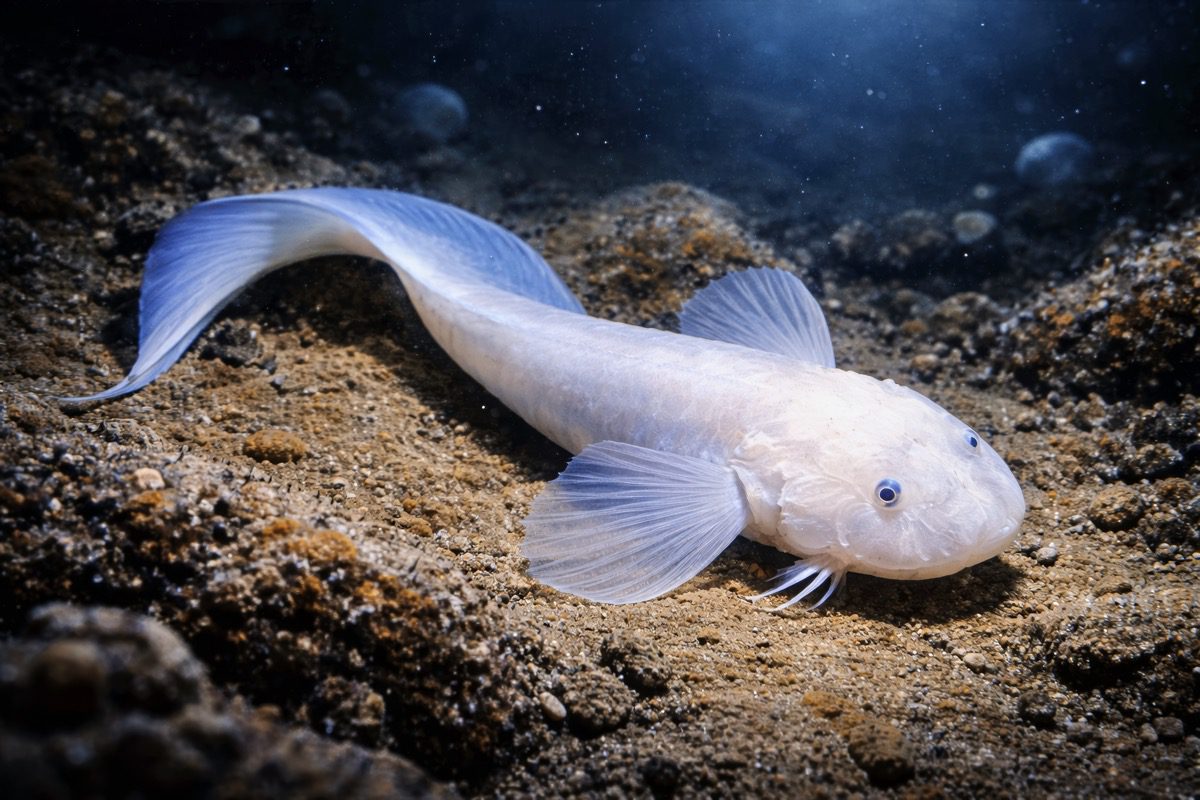
In late 2022 and early 2023, the discovery of a snailfish (Liparidae) at 8,336 meters in the Izu-Ogasawara Trench made biological history. With its translucent skin and a skull that is not fully fused (allowing internal and external pressures to equalize), it became the gold standard for maritime engineering.
Today, in 2026, engineers are using these biomimetic principles to design “Soft Robots.” By abandoning rigid titanium hulls in favor of flexible polymers inspired by snailfish anatomy, these new-generation drones can explore trenches deeper than 10,000 meters without the risk of implosion. These robots “swim” with the grace of living tissue, carrying sensors into the most hostile environments on Earth.
The Glass Sponge: The Future of Optics and Aerospace
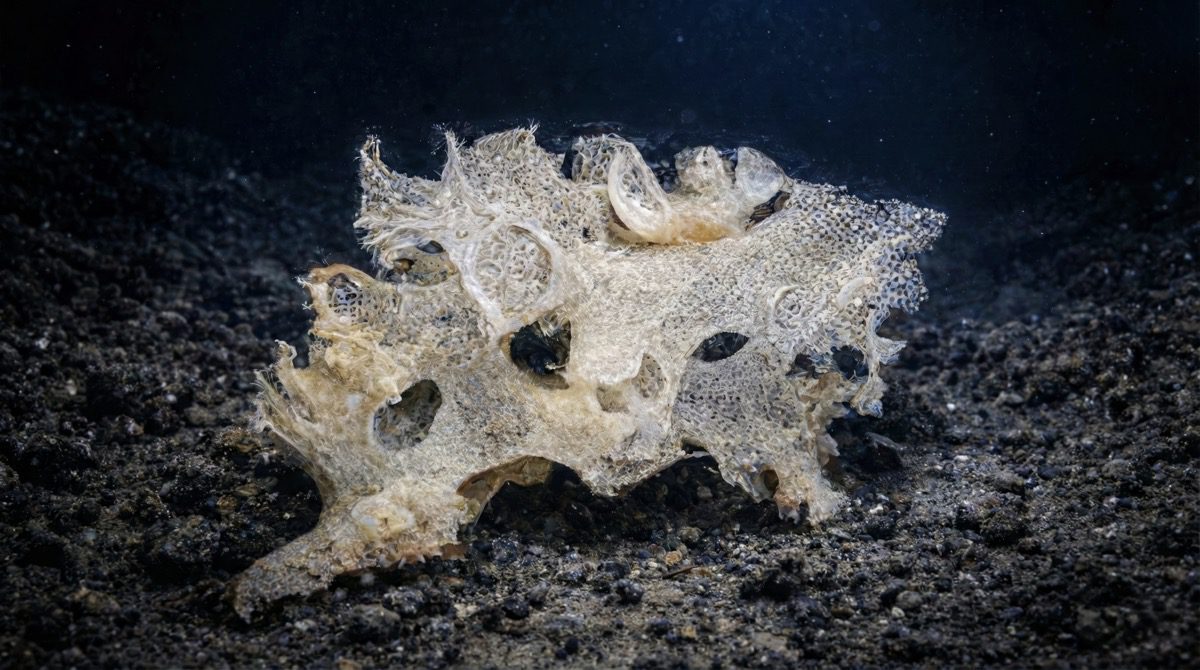
At depths of 8,000 meters, glass sponges like the “Venus Flower Basket” thrive. Despite being composed of silica (glass), their skeletal spicules are incredibly flexible and virtually indestructible. Their “lattice” structure has become a case study for modern architecture and aerospace engineering, aiming to create ultra-lightweight, high-strength materials for the next generation of spacecraft.
Even more impressive is their light-conducting capability. These natural glass fibers conduct light with an efficiency that rivals or even exceeds current commercial fiber optics. Furthermore, chemical compounds extracted from these sponges are currently forming the basis for new antiviral and anti-cancer protocols, proving that the cure for modern ailments may be hidden in the deep silence.
Hydrothermal Vents: Astrobilogy and New Antibiotics
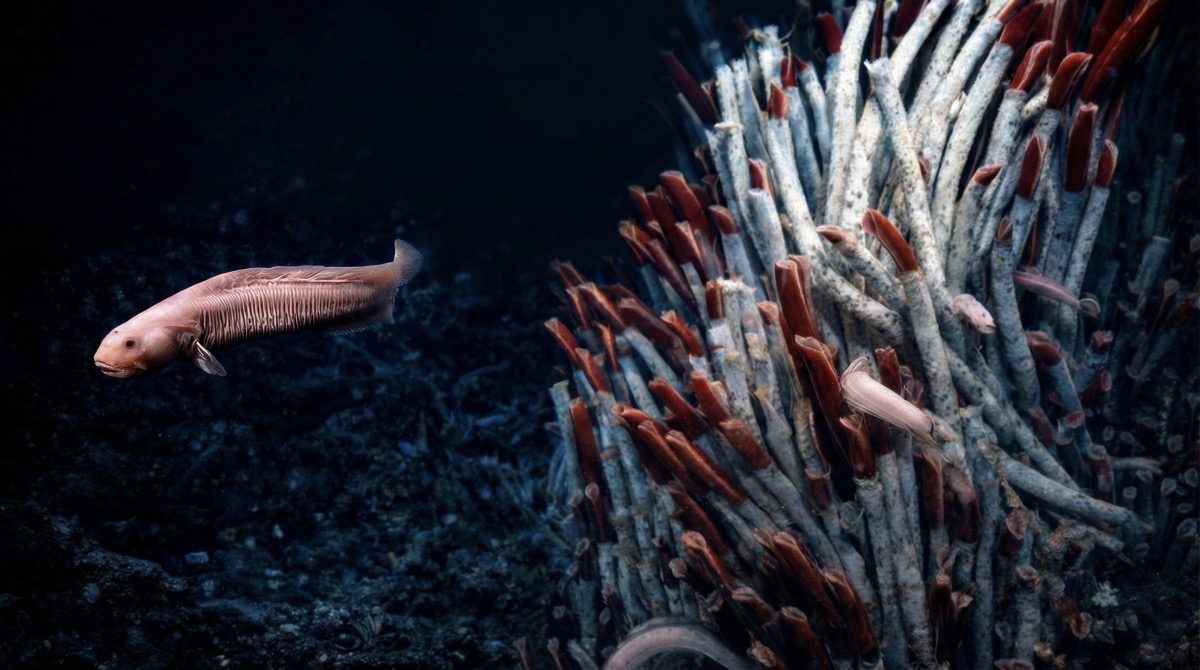
Hydrothermal vents, where mineral-rich water erupts at 400°C, host ecosystems that rely not on the sun, but on chemosynthesis. Françoise Gaill, a specialist in deep-sea ecosystems, views these zones as “open-air laboratories” for inventing the heat-resistant materials of tomorrow.
This research extends beyond Earth. The extreme conditions of our abyssal vents are analogous to the oceans suspected to exist on Jupiter’s moon, Europa, or Saturn’s moon, Enceladus. By understanding how life prospers in total darkness under titanic pressure, we are refining our search for extraterrestrial life.
Ifremer 2026: A New Era of Exploration
French technological innovation continues to push boundaries. In early 2026, Ifremer (the French Research Institute for Exploitation of the Sea) achieved a historic milestone with its fleet modernization. The legendary manned submarine Nautile—one of the few in the world capable of diving to 6,000 meters—has begun its “second life” following a major renovation of its digital cockpit and sonar systems.
Simultaneously, the robotic revolution is accelerating. The ROV Victor 6000 has received a technological “fountain of youth,” enhancing its haptic intervention capabilities. Ifremer is also deploying a new generation of autonomous underwater vehicles (AUVs) like Ulyx, capable of mapping vast expanses with centimeter-level precision.
The stakes, however, are as ecological as they are technical. In 2025 and 2026, Ifremer reaffirmed its stance on the protection of the seabed, emphasizing the critical distinction between exploration and exploitation. Through the “Deep Sea Spy” participatory project, the public is invited to help identify species across thousands of hours of footage, turning deep-sea preservation into a collective mission.
The Legacy of Audacity
This fascination with “form following function” echoes the philosophy of designers like Philippe Starck. Starck has always sought to marry the economy of material with the intelligence of shape. Much like abyssal evolution, Starck’s logic dictates that function must drive form with elegance and efficiency.
Deep-sea exploration is still in its infancy. Every sample brought to the surface is a promise for medicine, industry, and our understanding of the origins of life. The answers to our future technological challenges may not lie among the stars, but rather within the dark, silent depths of our blue planet.
Visuals: This post features a blend of AI-generated art and public domain photography (e.g., Wikimedia Commons). All imagery is curated to ensure original, copyright-compliant storytelling.